
Data Security & Quantum Threat

Keep your data safe, now and in the future.

Your company keeps private information on computers and servers. Digital locks help keep it safe. A new kind of computer could one day open some of those locks. Here's what that means, and where to start.

Think of your information as a locked box

Customer details, bank records, and private messages need to stay private. Encryption is a way to scramble information so only someone with the right key can read it. Think of it as putting that information in a locked box.

Scientists are building a new kind of computer called a quantum computer. It could solve complex puzzles that today's computers find too hard. One day, a powerful enough one could break some of the digital locks we use now.

A sufficiently powerful quantum computer could break widely used public-key algorithms such as RSA and elliptic-curve cryptography (ECC), threatening the key exchange and digital signatures used in secure connections, digital certificates, and software updates.
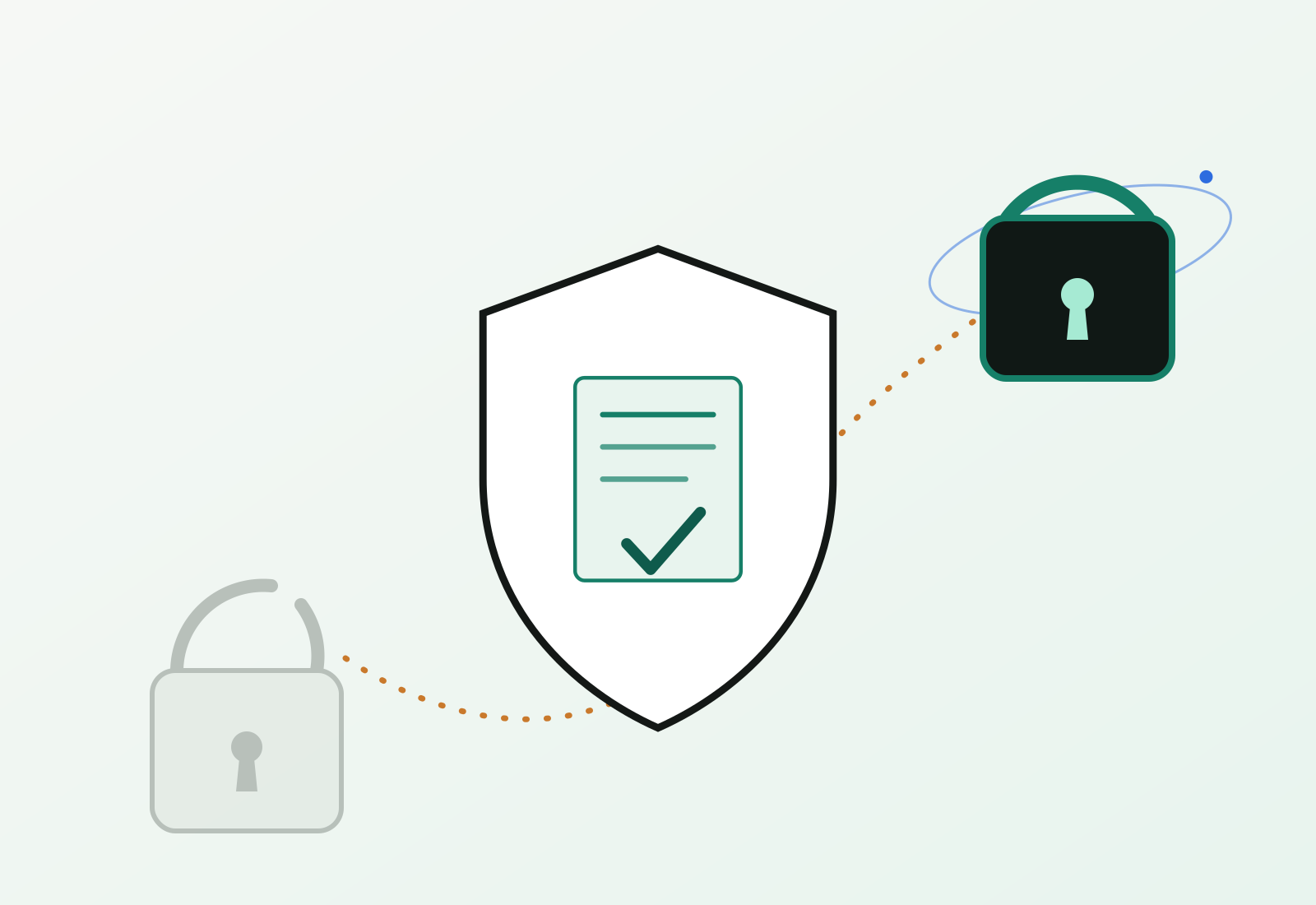

A shield holding a certificate, with an old cracked lock swapping for a new quantum-safe lock

Why think about it now?

No one knows exactly when a quantum computer will be able to do this. But someone could copy a locked file today and save it until they can open it later. That matters if the information needs to stay private for many years.

This is called harvest now, decrypt later (HNDL): attackers collect encrypted data today with the aim of decrypting it in the future, making long-term confidentiality a concern before quantum attacks become practical.

Stronger digital locks are already being developed and put to use. Moving a company's systems to them takes time. Starting with a small plan now gives you time to prepare.

A magnifying glass scanning a grid of servers and certificates, flagging weak cryptographic locks

Start with three simple questions

Ask the people who look after your company's computers:

  • What information do we need to keep private, and for how long?
  • Which apps and systems protect that information?
  • What are the companies that make our software doing to prepare?

These answers help you decide what to look at first. Post-quantum security means getting ready to protect information from future quantum computers.

For technical teams, the starting point is a cryptographic inventory: identify algorithms, keys, certificates, and dependencies across your systems and suppliers, then prioritize migration by data sensitivity, required confidentiality lifetime, and upgrade lead time.

A padlock built from a circuit lattice, fractured open by a glowing quantum node

Learn first. Take the next step when you're ready.

Doquima offers classes, webinars, and hands-on services to help companies find the locks that need changing and make those changes.

The long-term goal is crypto agility: the ability to replace cryptographic algorithms, keys, and certificates as standards and threats change, with tested migration paths that maintain security and keep systems working together.

Have a question? Tell us what you want to understand or what your company is worried about.

Ask us a question
A shield holding a certificate, with an old cracked lock swapping for a new quantum-safe lock